The internet has made life easier in many ways. We shop online, pay bills, communicate with family, work remotely, and manage our finances with just a few clicks. While these conveniences are amazing, they have also created opportunities for online scammers. I used to believe that only people who were not familiar with technology became victims of online scams, but I soon realized that anyone can be targeted. Scammers have become smarter, and their tricks often look surprisingly real.
The good news is that most online scams can be avoided if you know what to look for. Learning to recognize warning signs and following a few simple safety habits can protect both your money and your personal information.
In this article, I will explain the common online scams and how to avoid them so you can stay safer while using the internet.
Why Online Scams Are Increasing
More people are using the internet than ever before.
Online shopping, digital banking, social media, and remote work have become part of daily life.
Unfortunately, scammers follow where people spend their time.
Instead of stealing wallets, they now try to steal passwords, banking details, and personal information through fake websites, emails, and messages.
Understanding how these scams work is the first step toward avoiding them.
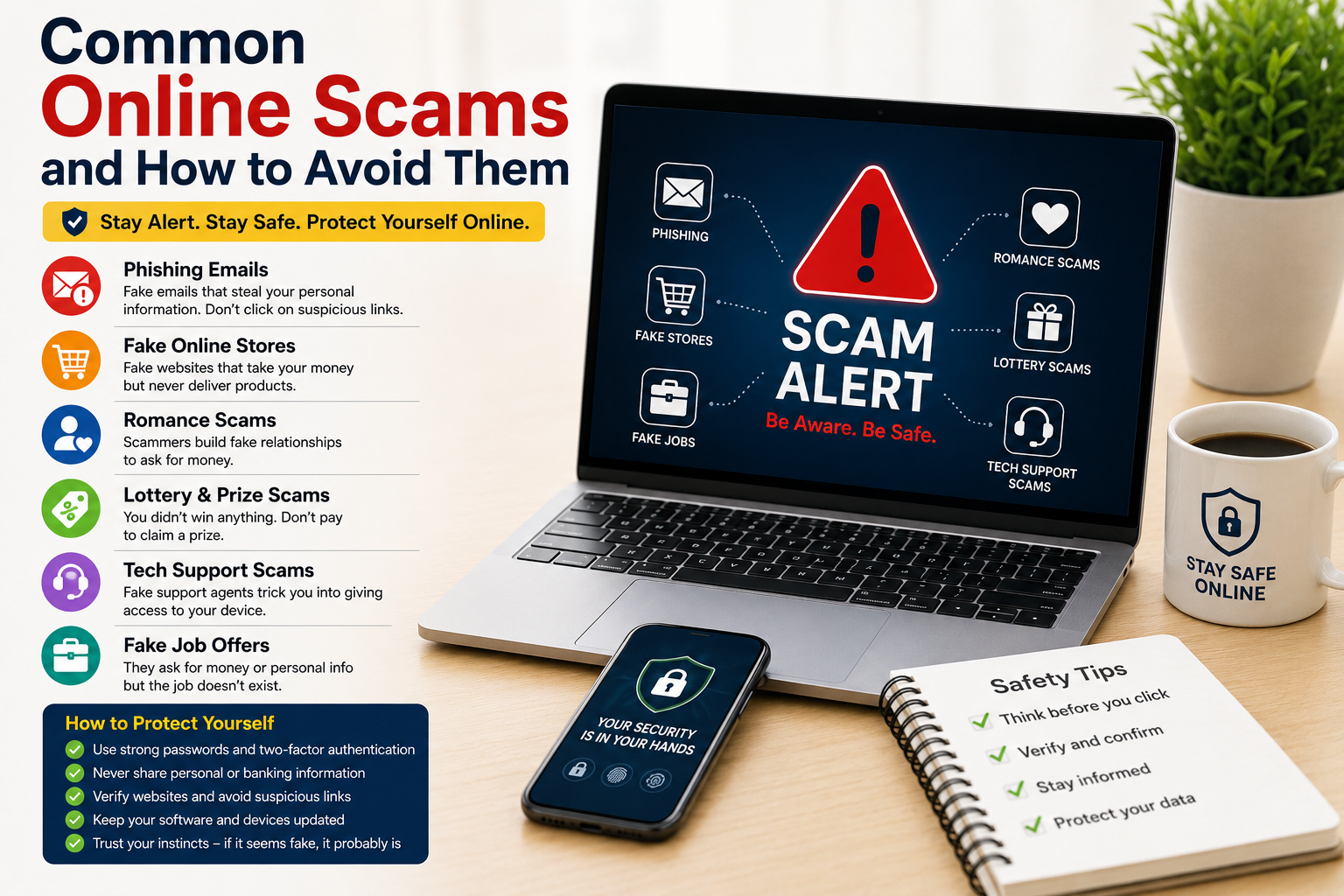
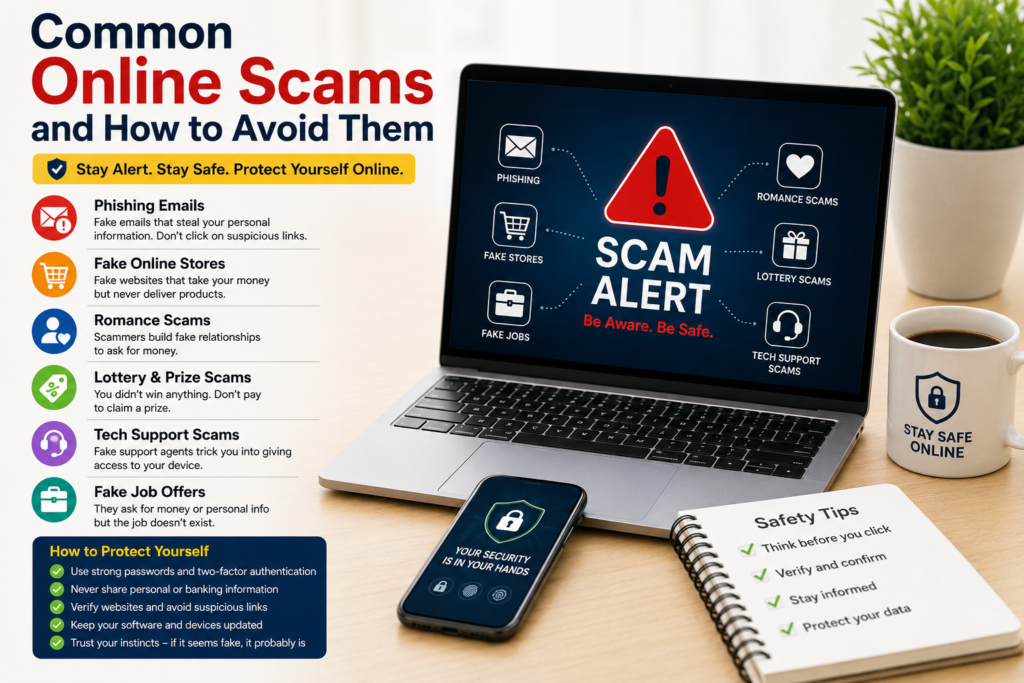
Phishing Emails
Phishing is one of the most common online scams.
Scammers send emails that appear to come from trusted companies, banks, or government organizations.
The email usually asks you to click a link or verify your account information.
The fake website then collects your username, password, or financial details.
How to Avoid It
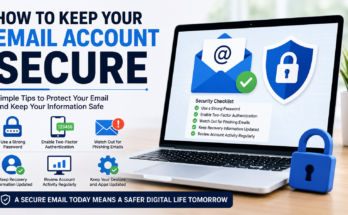
Always check the sender’s email address carefully.
Never click suspicious links.
Visit the official website directly instead of using links from unexpected emails.
If something seems urgent or threatening, take a moment to verify it before responding.
Fake Online Shopping Websites
Many scam websites copy the appearance of real online stores.
They advertise expensive products at unbelievably low prices.
People place orders, but the products never arrive.
Sometimes the scammers simply steal payment information.
How to Avoid It
Shop only from trusted websites.
Read customer reviews before purchasing.
Be cautious if prices seem far lower than normal.
Check whether the website provides complete contact information.
Social Media Scams
Social media platforms have become popular places for scammers.
Fake giveaways, investment opportunities, romance scams, and impersonation accounts appear every day.
Some scammers even hack real accounts to send fake messages to friends and family.
How to Avoid It
Be careful when someone asks for money through social media.
Verify unexpected messages by contacting the person through another method.
Do not trust offers that seem too good to be true.
Lottery and Prize Scams
Many people receive emails claiming they have won a lottery or valuable prize.
The only requirement is paying a small processing fee or providing personal information.
In reality, there is no prize.
The scammer simply wants your money or sensitive data.
How to Avoid It
If you never entered a competition, you cannot legitimately win it.
Ignore messages claiming unexpected prizes.
Never pay fees to receive winnings.
Tech Support Scams
Some scammers pretend to represent well known technology companies.
They claim your computer has a virus or serious problem.
They then ask for remote access or payment to fix the issue.
Instead of helping, they may install harmful software or steal personal information.
How to Avoid It
Legitimate companies rarely contact customers unexpectedly about computer problems.
Never allow unknown individuals remote access to your device.
Contact official customer support if you need assistance.
Fake Investment Opportunities
Online investment scams often promise guaranteed profits with little or no risk.
They may use professional looking websites and fake success stories.
Many victims lose significant amounts of money because the investment never existed.
How to Avoid It
Research every investment carefully.
Be skeptical of guaranteed returns.
Never rush into financial decisions because someone creates artificial urgency.
Romance Scams
Romance scams begin with friendly online conversations.
Over time, the scammer builds emotional trust before requesting money for emergencies, travel expenses, or medical situations.
Victims often lose large amounts because they believe they are helping someone they care about.
How to Avoid It
Be cautious when someone you have never met asks for money.
Take relationships slowly.
Verify identities whenever possible.
Fake Job Offers
Scammers often advertise attractive jobs with high salaries and flexible working conditions.
After applying, victims are asked to pay training fees, purchase equipment, or provide sensitive financial information.
The job never actually exists.
How to Avoid It
Legitimate employers rarely ask candidates to pay money before starting work.
Research the company carefully.
Be cautious of unrealistic salary offers.
Banking Scams
Some scammers pretend to represent banks.
They send messages claiming there is suspicious activity on your account.
Victims are encouraged to click links or provide account details.
The fake website then steals login credentials.
How to Avoid It
Never provide banking information through email or text messages.
Contact your bank using official phone numbers or websites.
Ignore urgent messages requesting immediate action.
QR Code Scams
QR codes have become increasingly popular, but scammers also misuse them.
A fake QR code may direct users to fraudulent websites designed to steal passwords or payment information.
How to Avoid It
Only scan QR codes from trusted sources.
If the website address looks unusual after scanning, do not continue.
Fake Charity Scams
After natural disasters or major news events, scammers often create fake charities.
They ask for donations that never reach people in need.
How to Avoid It
Donate directly through official charity websites.
Research organizations before making contributions.
Avoid responding to unsolicited donation requests.
Password Theft
Scammers use fake login pages to steal usernames and passwords.
The page often looks almost identical to the real website.
Victims unknowingly enter their login information.
How to Avoid It
Always check the website address before logging in.
Use unique passwords for different accounts.
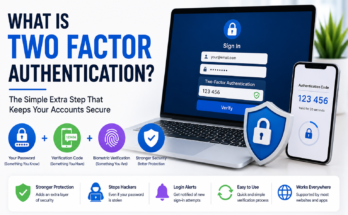
Enable two factor authentication whenever possible.
Cryptocurrency Scams
The popularity of digital currencies has attracted many scammers.
Fake investment platforms, giveaway scams, and fraudulent trading websites promise unrealistic profits.
Many people lose money because transactions cannot easily be reversed.
How to Avoid It
Research cryptocurrency platforms carefully.
Ignore guaranteed profit claims.
Never invest money you cannot afford to lose.
Fake Delivery Messages
Many people receive messages claiming a package cannot be delivered.
The message asks you to click a link and pay a small fee.
The link usually leads to a fake payment page.
How to Avoid It
Track packages through official courier websites.
Ignore unexpected delivery messages requesting payment.
Public WiFi Scams
Some attackers create fake public WiFi networks with names similar to legitimate ones.
Users connect without realizing the network is controlled by scammers.
Sensitive information may then be intercepted.
How to Avoid It
Confirm the correct network name before connecting.
Avoid accessing banking accounts while using public WiFi.
Use trusted internet connections whenever possible.
Warning Signs of Online Scams
Although scams vary, many share common warning signs.
They create urgency.
They promise unrealistic rewards.
They request personal information.
They ask for payments using unusual methods.
They pressure you into acting immediately.
Whenever I notice these warning signs, I become much more cautious.
Good Habits That Prevent Online Scams
Developing good online habits is the best defense.
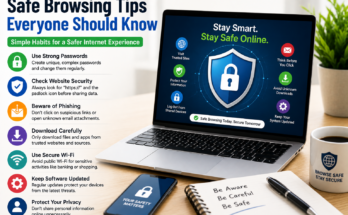
Use strong passwords.
Enable two factor authentication.
Keep software updated.
Verify website addresses.
Think carefully before clicking links.
Download apps only from trusted sources.
Research companies before sending money.
These habits reduce the risk of becoming a victim.
What Should You Do If You Suspect a Scam?
If you believe something is a scam, stop communicating immediately.
Do not send money.
Do not provide personal information.
Report suspicious emails or messages.
Change your passwords if you think your account has been compromised.
Contact your bank immediately if financial information may have been exposed.
Taking quick action often limits the damage.
Common Mistakes People Make
Many victims ignore their instincts because scammers create pressure.
Others trust professional looking websites without verifying them.
Some reuse passwords across multiple accounts.
Many people also click links without checking where they lead.
Avoiding these common mistakes greatly improves online safety.
Final Thoughts
Learning about common online scams and how to avoid them is one of the best ways to protect yourself in today’s digital world. Scammers continue developing new techniques, but most scams rely on the same basic strategies of creating urgency, promising unrealistic rewards, or requesting personal information. By using strong passwords, enabling two factor authentication, verifying websites, avoiding suspicious links, researching companies, and thinking carefully before sharing sensitive information, you can greatly reduce your chances of becoming a victim.
I personally remind myself that it is always better to spend a few extra minutes verifying a message than dealing with the consequences of fraud later. Online safety is not about living in fear. It is about making smart decisions and staying alert. With the right habits and a little caution, you can enjoy the benefits of the internet while protecting your money, your identity, and your personal information.